The Wreck That Changed History: The White Ship Disaster of 1120
Imagine a single drunken party completely rewriting the destiny of a medieval superpower. That is exactly what happened on the chilly night of November 25, 1120. While you might occasionally see it mislabeled in modern search typos as the “White Chip” disaster, its true historical name is the White Ship disaster—though it certainly chipped away the entire foundation of the Anglo-Norman empire!
This wasn’t just a tragic maritime accident; it was the medieval equivalent of the Titanic, combined with a political apocalypse. In a single night, a sudden shipwreck altered the borders, leadership, and daily life of England and Normandy forever.
Here is the story of the disaster, its catastrophic consequences, and the ultimate historical scorecard of who won and who lost.
The Fatal Voyage: What Happened?
King Henry I of England had spent years fighting in France to stabilise his realm and secure the Duchy of Normandy. To celebrate a successful campaign, the royal court prepared to cross the English Channel from Barfleur, Normandy, back to England.
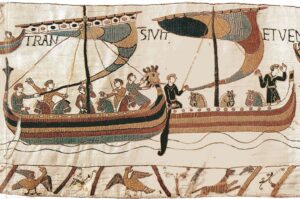
While the King sailed ahead on his own vessel, his 17-year-old son and sole legitimate male heir, William Adelin, was offered passage on a cutting-edge, ultra-fast vessel called La Blanche-Nef—The White Ship.
Eager to celebrate, the young prince ordered massive quantities of wine to be brought aboard for the passengers and crew. By dusk, the entire ship was a floating tavern. Priests who arrived to bless the voyage with holy water were laughed off by the heavily intoxicated crowd.
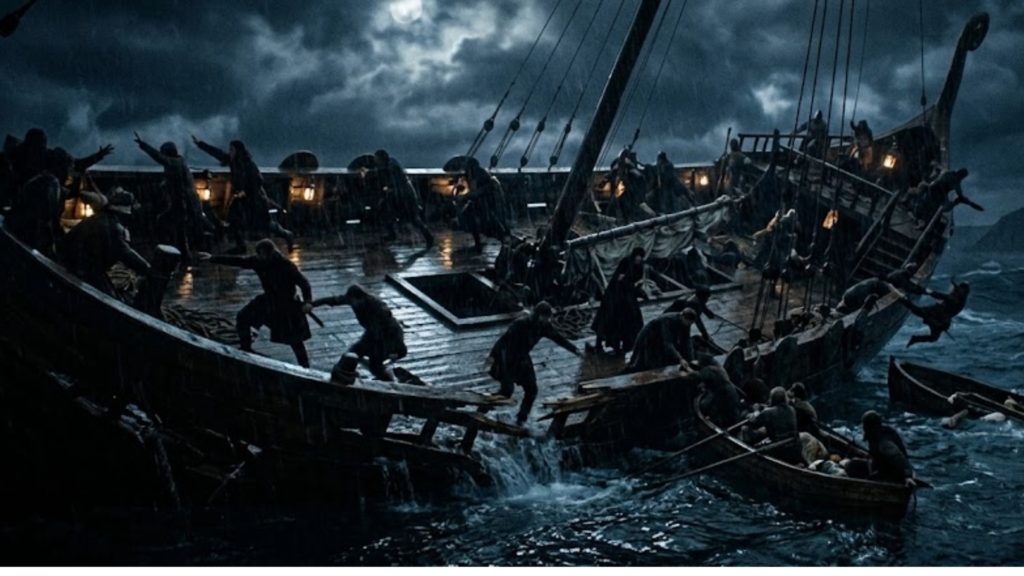
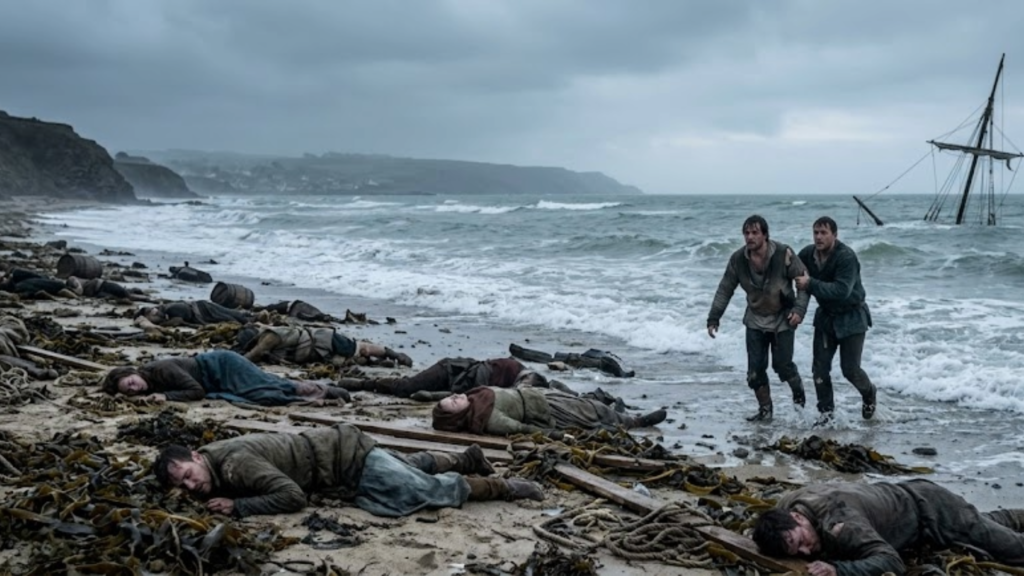
When the ship finally pushed off into the pitch-black night, the drunken crew was determined to overtake the King’s ship, which had a head start. Rowing at breakneck speed, they misjudged the harbor’s exit and smashed violently into a submerged boulder known as the Quilleboeuf Rock.
The White Ship sank rapidly. Prince William was initially hustled onto a small lifeboat and could have escaped to safety. However, hearing the terrified screams of his half-sister, Matilda, Countess of Perche, he ordered the boat to turn back. Frightened passengers swamped the small craft, dragging the heir to the throne down into the icy depths. Out of roughly 300 people aboard, only a butcher from Rouen survived by clinging to the mast.
The Ultimate Scorecard: Winners and Losers of 1120
A disaster of this magnitude completely flipped the social and political hierarchy of Europe. When the historical dust finally settled, the ledger showed clear winners and losers.
The Winners | The Losers |
| Stephen of Blois: Avoided the voyage due to illness/sobriety, allowing him to later seize the English throne. | King Henry I: Lost his children, his dynastic security, and his spirit; chroniclers note he “never smiled again.” |
| The Plantagenet Dynasty: The crisis paved the way for Empress Matilda’s son, Henry II, to establish a legendary new royal line. | William Adelin & The Aristocracy: An entire generation of young Anglo-Norman leadership was instantly erased. |
| Berold the Butcher: The humble merchant survived the freezing night, outliving the richest elites of his era. | The Common People: Endured two decades of famine, civil warfare, and economic ruin due to the power v |
The Winners Explained
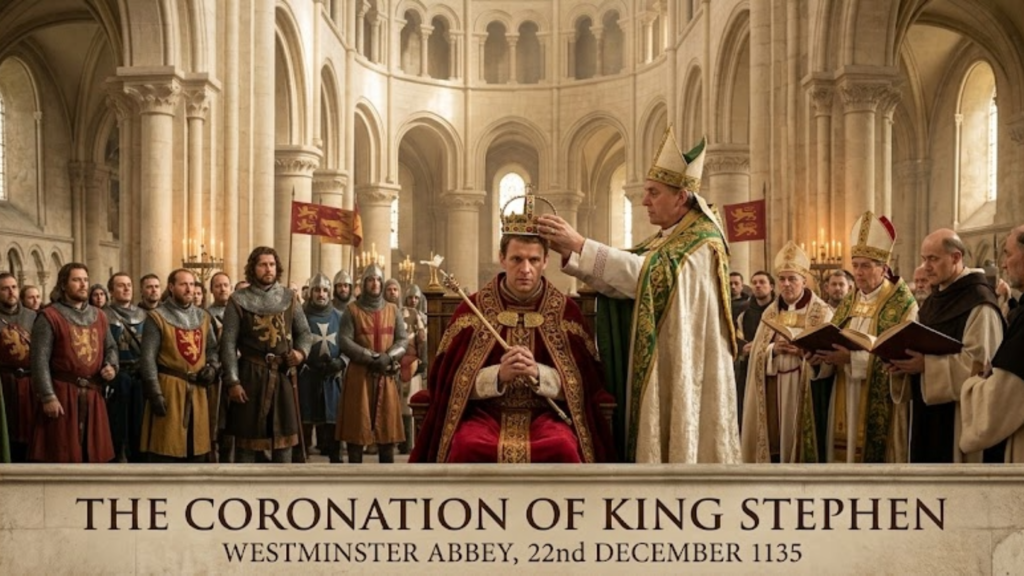
Stephen of Blois: In one of history’s luckiest breaks, Stephen was scheduled to sail on the White Ship. He disembarked at the last minute—either due to a sudden bout of diarrhea or disgust at the rampant drunkenness. By stepping off the boat, he saved his life and eventually gained a crown.
The House of Plantagenet: While Empress Matilda never ruled securely, her brilliant son, Henry II, eventually brokered a peace deal to succeed Stephen, initiating one of England’s most powerful medieval dynasties.
The Losers Explained
The Anglo-Norman Elite: This wasn’t just a loss for the crown; it was a generational wipeout. The children of the most powerful earls and barons perished, causing immense political instability.
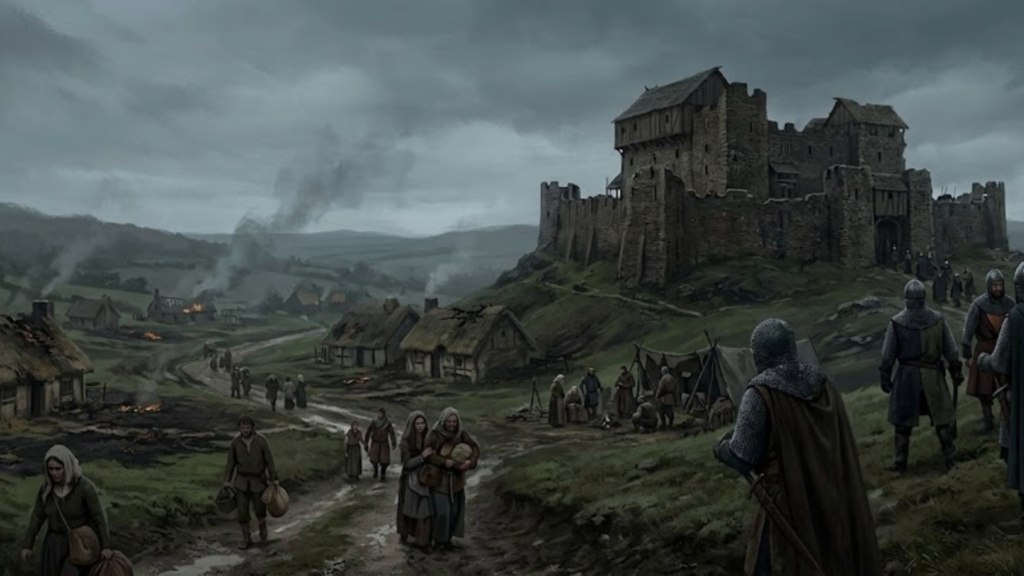
The Everyday Citizen: The ultimate casualties of the disaster were the peasants. The resulting civil war brought total economic ruin, burnt crops, and a complete collapse of the legal system.
Conclusion
The White Ship disaster serves as a stark reminder of how fragile history truly is. A single rock, a drunk captain, and a night of reckless arrogance cost three hundred lives, ended a dynasty, and threw two nations into decades of bloody turmoil. It remains history’s ultimate cautionary tale: never let the crew drink the cargo.