Overcoming The Logistical Challenges of 1066
When William, Duke of Normandy, stepped onto the shingle at Pevensey Bay on 28 September 1066, he had accomplished something far more extraordinary than simply surviving a Channel crossing. To history, the Norman Conquest often feels like a brutal inevitability, a rapid strike that fundamentally altered the course of England. Yet the reality of the invasion was a precarious triumph of logistics, diplomacy, and determination. Before the battle lines were even drawn at Hastings, William had to overcome a series of monumental challenges that could easily have stopped the invasion before it began.
The Forgotten Scale of Shipbuilding
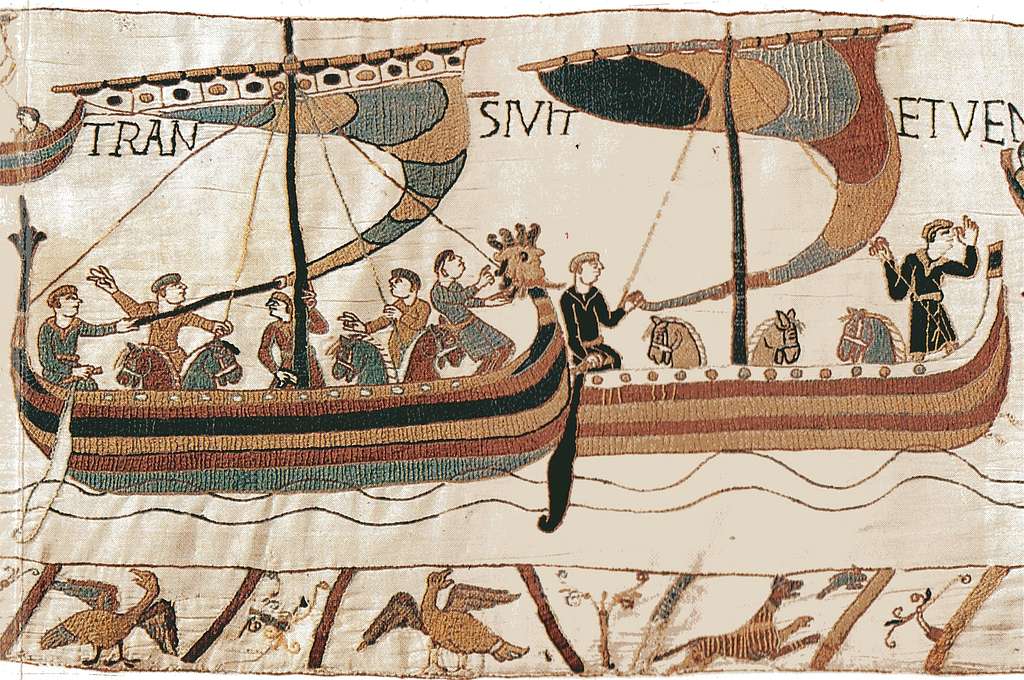
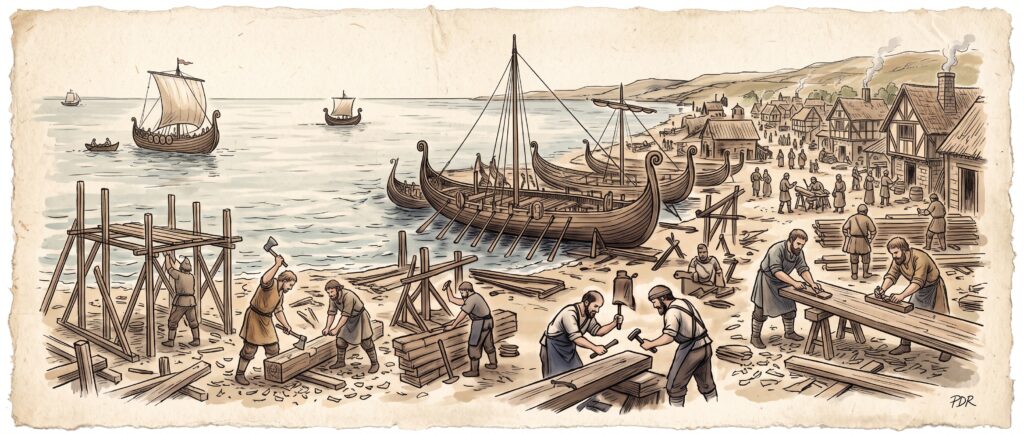
The first major hurdle was infrastructural: William needed a fleet capable of transporting thousands of men, supplies, and, crucially, horses across the Channel. Although Normandy possessed an established maritime tradition, assembling an invasion fleet on the scale required for an overseas conquest demanded an extraordinary mobilisation of shipbuilders, timber, and labour throughout the duchy.
The construction effort was unprecedented. Entire forests were felled across Normandy. The famous Bayeux Tapestry vividly depicts this period, showing trees being cut, planks shaped, and ships constructed. William’s shipwrights drew upon existing Norman and northern European shipbuilding traditions, producing vessels suitable for carrying men, equipment, and cavalry.
Many of these ships were broad transport vessels rather than specialised warships. They had to carry horses, fodder, weapons, provisions, and the materials needed to establish a foothold in England. This massive undertaking, achieved within months, demonstrated William’s ability to mobilise the resources of an entire duchy behind a single strategic objective.
Overcoming the Issue of Consanguinity
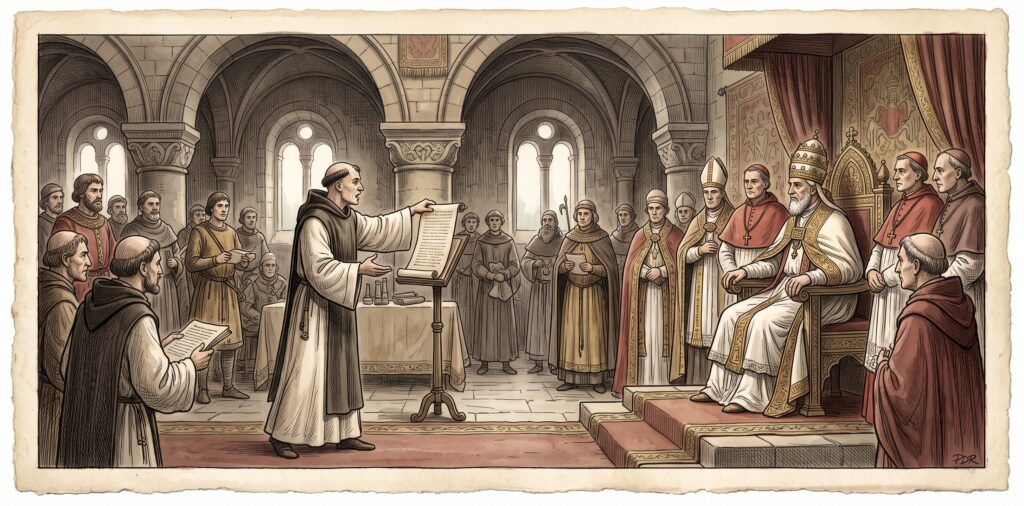
Before launching his physical armada, William had to secure a spiritual one. His claim to the English throne, based on an alleged promise from the late Edward the Confessor and an oath purportedly sworn by Harold Godwinson, required wider recognition if he was to attract support beyond his immediate vassals.
However, William’s standing with the Church was not entirely straightforward. Years earlier, he had married Matilda of Flanders despite ecclesiastical objections based on consanguinity. The marriage created tensions with the papacy and required reconciliation with Church authorities, ultimately leading William and Matilda to sponsor major religious foundations in Caen.
William turned to his trusted adviser, Lanfranc, Prior of Bec and future Archbishop of Canterbury. Lanfranc had previously helped secure papal acceptance of William’s marriage and was well placed to present the duke’s case in Rome. He argued that Harold had violated a solemn oath and that William’s claim was therefore just.
The diplomatic result was remarkable. According to contemporary Norman sources, Pope Alexander II endorsed William’s cause and sent a papal banner, a vexillum, to accompany the invasion. The banner provided the expedition with powerful religious legitimacy and strengthened William’s claim that he was pursuing a just cause rather than merely seeking conquest.
Recruiting an Army Beyond Normandy
William’s initial discussions with his leading vassals did not result in universal enthusiasm. Many Norman magnates were understandably cautious. An overseas invasion lay beyond their normal feudal obligations and presented enormous military and financial risks. Success promised immense rewards; failure could be catastrophic.
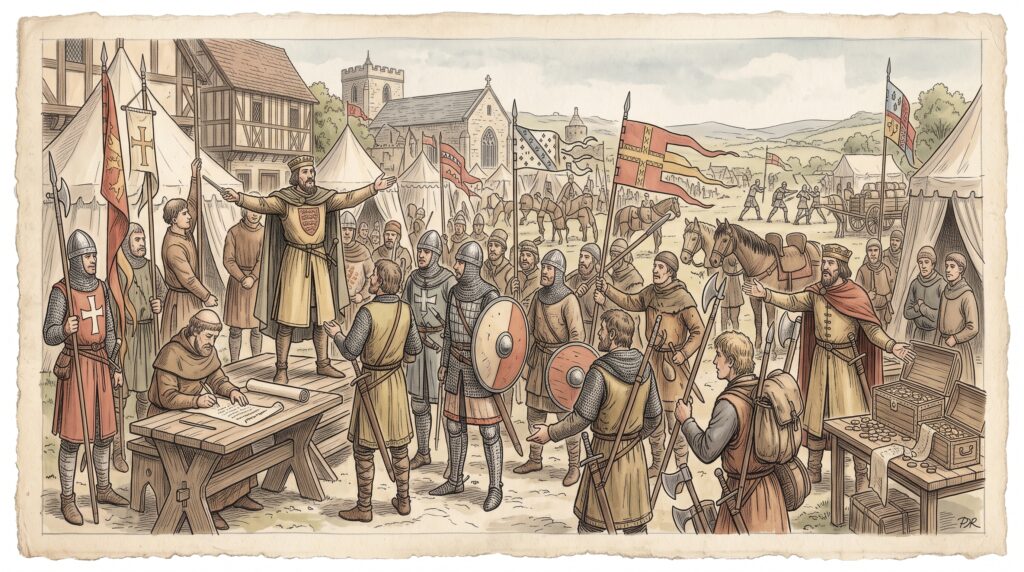
The papal endorsement helped change the equation. William publicised the Pope’s support throughout western Europe and invited warriors to join his enterprise. Land, wealth, prestige, and spiritual approval all formed part of the appeal.
The recruitment campaign attracted men from Brittany, Flanders, Maine, Picardy, and other regions of northern France, creating a coalition force that extended well beyond Normandy itself. William carefully linked future rewards to success in England, binding this diverse army to the outcome of the campaign.
The Disaster of the First Attempt
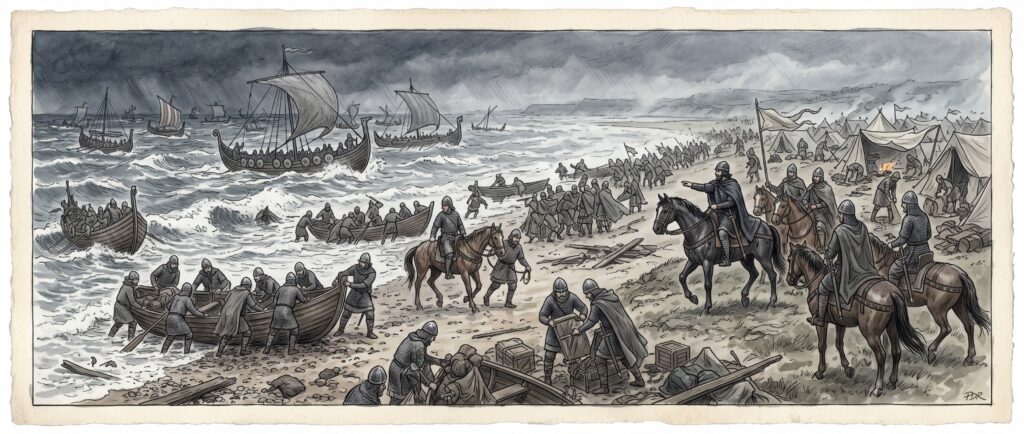
By August 1066, the fleet and army had assembled near the mouth of the River Dives. Gathering such a force was a logistical achievement in itself, yet William remained subject to one factor beyond his control: the weather. Contrary winds prevented a crossing for weeks.
Keeping thousands of men and horses supplied, disciplined, and healthy while they waited was no small feat. Food, sanitation, and morale all required constant attention. Every day spent in camp increased the strain on William’s resources.
When the fleet finally attempted to put to sea, conditions proved unfavourable. Adverse weather and contrary winds forced the expedition to abandon the attempt and relocate to Saint-Valery-sur-Somme. Contemporary accounts indicate that losses may have occurred during this episode, although their precise scale remains uncertain.
The setback was nevertheless serious. The invasion force had invested immense effort in reaching the coast, only to find itself delayed yet again. Later accounts claim that William had drowned soldiers buried discreetly to preserve morale, though the details cannot be verified with certainty.
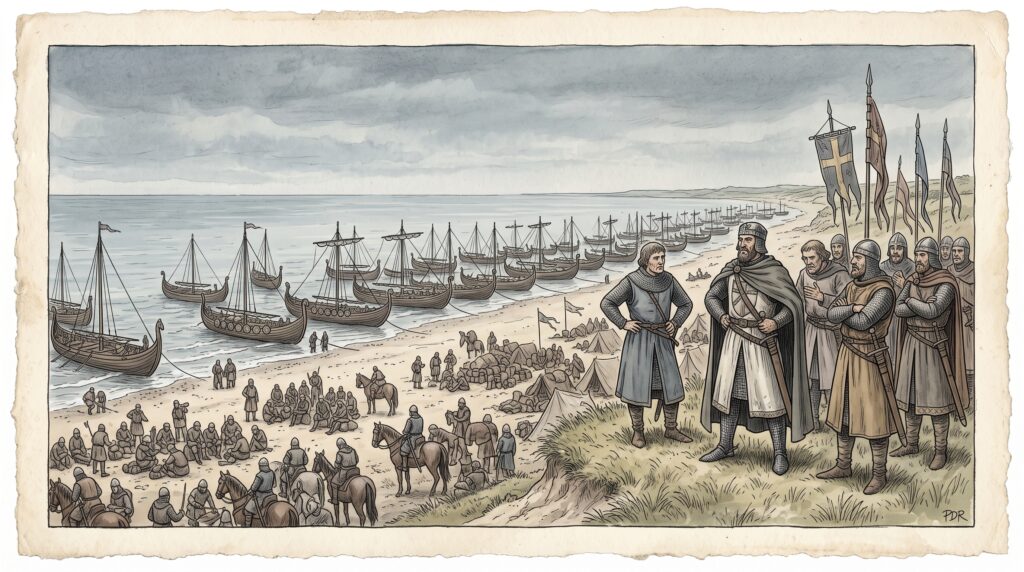
Waiting on the Wind at Saint-Valery
Relocated to Saint-Valery-sur-Somme, the army faced another agonising delay. Throughout much of September, adverse winds continued to prevent a Channel crossing. Supplies dwindled, impatience grew, and the success of the entire enterprise hung on forces no commander could control.
Yet this frustrating delay ultimately worked in William’s favour. While the Norman army waited on the French coast, England’s king, Harold Godwinson, was confronting a separate invasion in the north by Harald Hardrada of Norway. Harold’s victory at the Battle of Stamford Bridge on 25 September left his forces exhausted and far from the south coast. Only three days later, favourable winds finally arrived, allowing William to cross the Channel and land at Pevensey.
In retrospect, the victory at Hastings can make the invasion seem inevitable. In reality, William’s success depended on solving a chain of logistical, diplomatic, and environmental problems before a single blow was struck. The fleet had to be built, papal support secured, allies recruited, supplies maintained, and weather endured. That the invasion succeeded at all is a reminder that the conquest of England began not on the battlefield, but in the shipyards, courts, and windswept harbours of Normandy.