The Rise and Fall of the Norman Empire
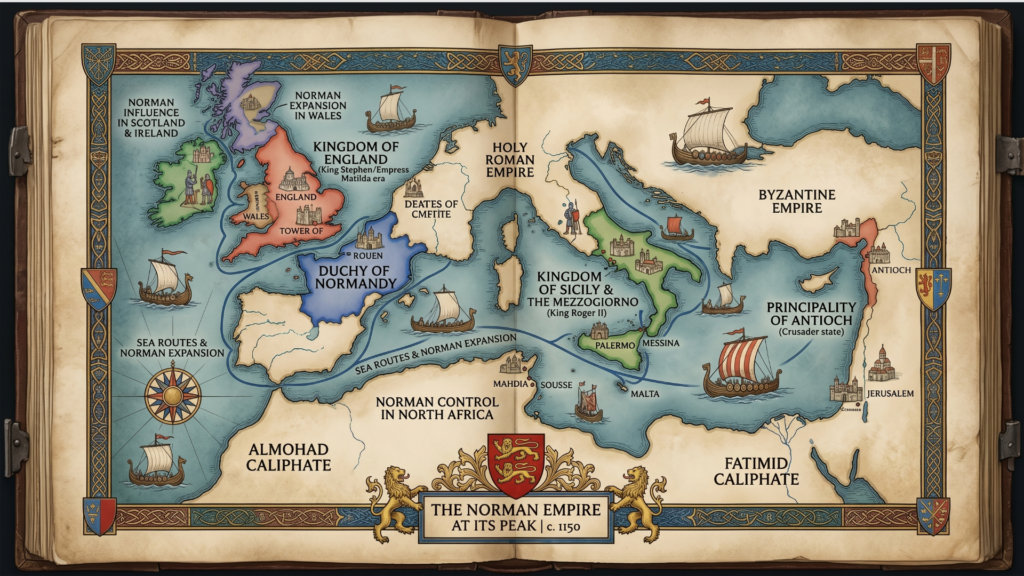
They arrived as raiders, conquered as mercenaries, and ruled as kings. In the 11th century, the Normans were the ultimate disruptors of the medieval world. From the windswept hills of England to the sun-drenched coastlines of Southern Italy and Sicily, the descendants of Rollo the Viking carved out some of the most dynamic, heavily fortified states in human history.
Yet, for all their architectural dominance and military brilliance, the Norman “empire” was surprisingly short-lived. They did not fall to a single, cataclysmic invasion. Instead, they dissolved—partly conquered, partly outmaneuvered, and largely victims of their own incredible capacity to assimilate into the lands they conquered.
Here is the unvarnished history of how the iron-willed masters of Europe lost their grip on power.
The Zenith: When Was the Peak of Norman Power?
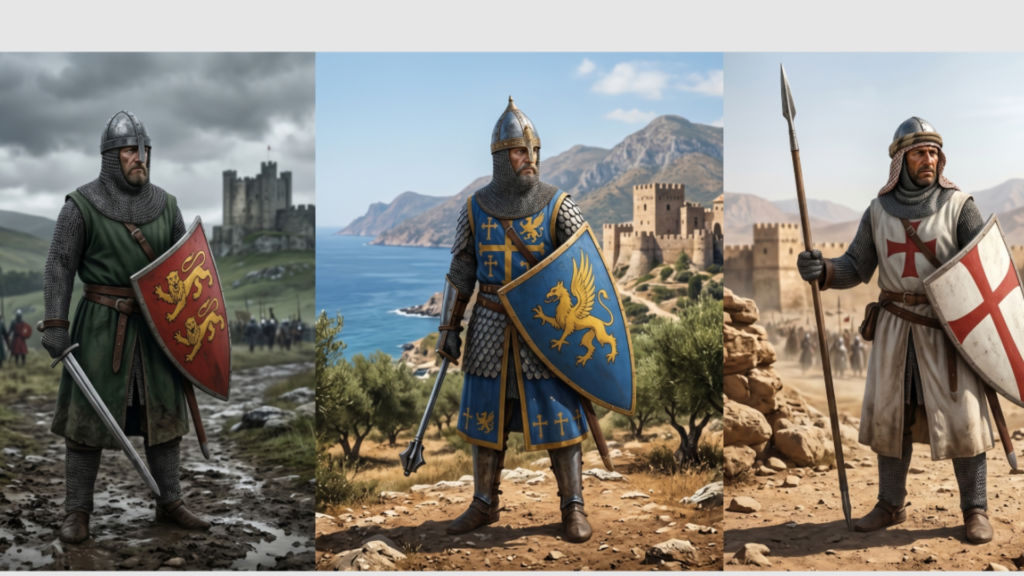
The peak of Norman geopolitical supremacy occurred during the mid-12th century (roughly 1130 to 1160). During this golden age, the Norman footprint was a tripartite powerhouse straddling Europe:
- The Anglo-Norman Realm: England and Normandy were bound under a single, formidable administrative machine.
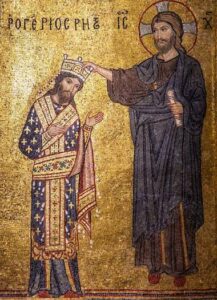
- The Kingdom of Sicily: Under Roger II (c. 1130), the South of Italy and Sicily became the most wealthy, intellectually brilliant, and culturally diverse powerhouse in the Mediterranean.
- The Principality of Antioch: In the Levant, Norman crusaders ruled a massive stronghold in the Holy Land.
During this window, a Norman knight could travel from the Scottish borders to the edges of the Sahara Desert and find his kinsmen sitting on thrones, dictating laws, and commanding massive fleets. It was an astonishing achievement for a people who, barely a century prior, were regarded as little more than Frenchified pirates.
Why the Iron Cracked: The Reasons for the Decline
The fall of the Normans boils down to three fatal flaws: internal succession crises, external geopolitical resurgence, and their unique tendency to stop being Norman.
1. The Succession Trap (A House Divided)
The Normans were fiercely competitive, a trait that made them lethal invaders but terrible at peaceful transitions of power. They never fully mastered the art of stable succession.
In England, the drowning of William Adelin (the only legitimate son of Henry I) in the White Ship disaster of 1120 triggered “The Anarchy”—a brutal, nineteen-year civil war that tore the country apart. In Italy, the death of Roger II left the Kingdom of Sicily vulnerable to successive minorities and court intrigues that fatally weakened the monarchy.
2. Genetic and Cultural Assimilation
The Normans were chameleons. To govern effectively, they adopted the languages, laws, and customs of their subjects.
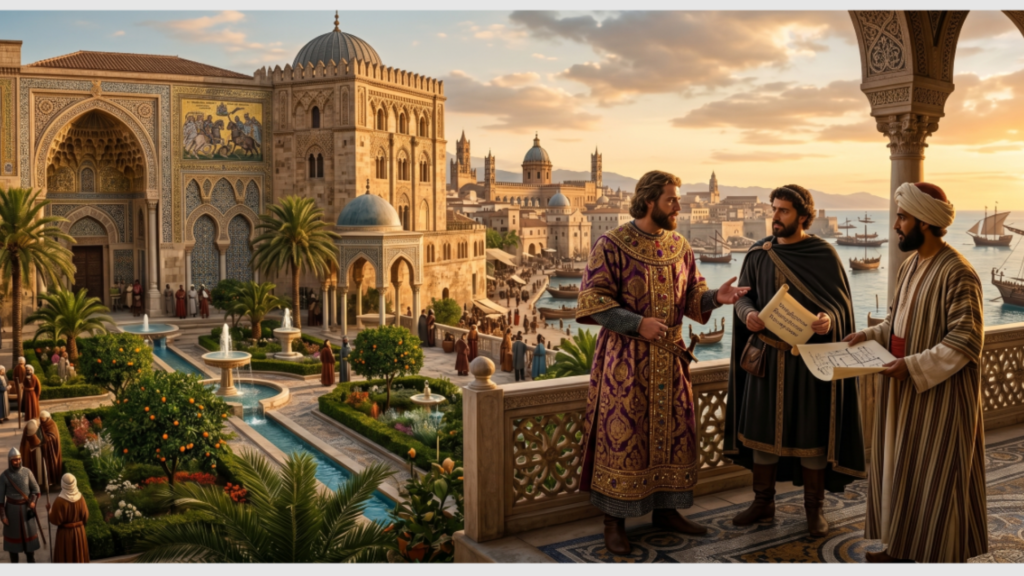
- In Italy, they wore Byzantine robes, spoke Greek and Arabic, and built palaces that looked more like Islamic paradises than northern keeps.
- In England, within three generations, the barrier between Saxon and Norman began to blur through intermarriage and shared language.
“The Normans were too few to remain distinct. They built so well, and governed so thoroughly, that they ultimately built themselves out of a unique identity. They didn’t disappear; they became the people they conquered.”
3. Geopolitical Overreach and Neighboring Titans
The Normans were surrounded by older, massive empires that eventually woke up to the threat. In the North, the French Capetian monarchy underwent a great administrative and military resurgence. In the South, the Holy Roman Empire and the Byzantine Empire constantly squeezed the Norman borders. The Normans simply lacked the manpower to fight multi-front wars across centuries.
The Three Regional Collapses
The unraveling of the Norman worlds happened at different speeds, changing the political maps of Europe forever.
England (1154): The Shift to the Plantagenets
The direct Norman ducal line on the English throne effectively ended with the death of King Stephen in 1154. Exhausted by civil war, the crown passed to Henry II—the son of Empress Matilda and Geoffrey of Anjou. This marked the birth of the Angevin (Plantagenet) Empire. While Henry II was Norman on his mother’s side, his political allegiance, vast territories, and court culture were distinctly French-Angevian. The raw, early Norman era was over, replaced by a much larger continental dynasty.
Italy and Sicily (1194): The Hohenstaufen Takeover
In Southern Italy, the end came via a calculated dynastic marriage. The last legitimate Hauteville heir, Constance (daughter of Roger II), married the Holy Roman Emperor, Henry VI of the German Hohenstaufen dynasty. When the last Norman king, the young William III, was deposed in 1194, Henry VI swept into Palermo and claimed the throne. The glittering, multi-cultural Norman Kingdom of Sicily was swallowed by the German empire.
Normandy (1204): Lost to the French Crown
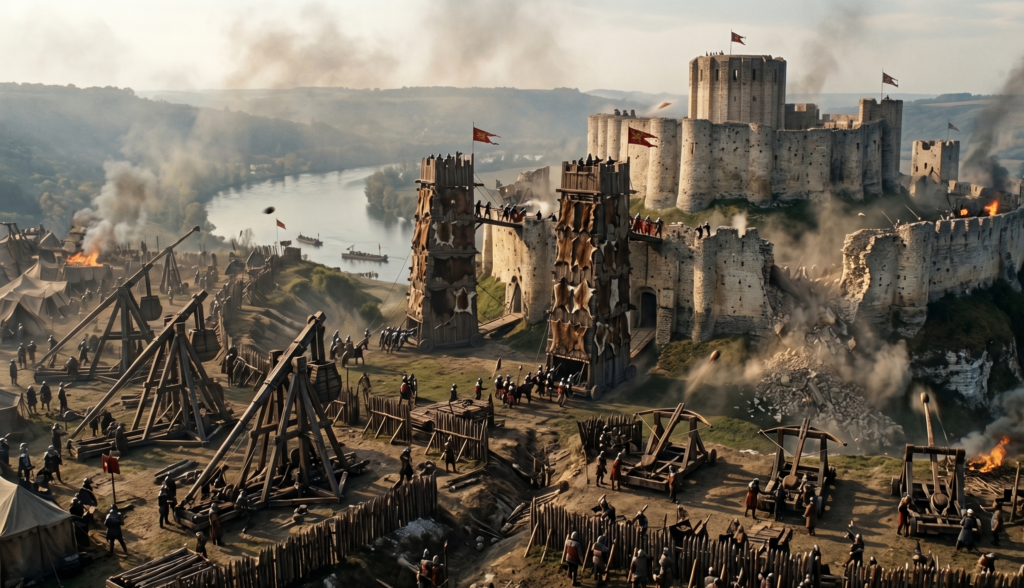
The ultimate symbolic death blow occurred in the cradle of their identity: the Duchy of Normandy itself. In 1204, the brilliant French King Philip Augustus took advantage of the erratic rule of King John (William the Conqueror’s great-grandson). Philip besieged the seemingly impregnable Norman fortress of Château Gaillard and captured Rouen.
After 293 years of independence, Normandy was annexed directly into the French royal domain. The land of the Northmen belonged to France once more.
The Legacy Left Behind
The Norman empire fell because it was designed to conquer, not to endure as a static state. They were a flash of lightning across the medieval sky. They left behind the Domesday Book, the grand cathedrals of Durham and Cefalù, and a rearranged European aristocracy, but their greatest trick was their disappearance into the fabric of the nations they forged.