The Viking Golden Age was considered to be between 800 and 1200 BCE and many characters exemplified their best traits during this tumultuous period. Sea Kings like Harold Ganger, Thorkill the Tall and Styrbjorn the Strong were all cut from a seemingly indefatigable cloth enabling their legendary status. The successful Norseman was typically defined by a combination of qualities and skills that helped them thrive in a brutal and unpredictable world. Here are a few key of the more desirable qualities that made them the ‘history men’’.
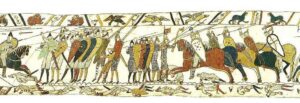
- Warrior Skills: We all know that Vikings were fierce fighters, and their success often relied on their combat abilities. As soon as they were able to walk they learned to fight and toddlers fought one another as part of their routine of ‘play’ – often with deadly results. By the time they reached puberty, they accompanied the adults on raiding parties and by adolescence the more successful protagonists were fully fledged warriors. Being skilled with swords, axes, and shields was crucial, as was mastering tactics and naval combat. Surviving in a shield wall beside your comrades and facing an unknown fate must have been daunting and only achievable through mutual trust and superior training.
- Leadership and Charisma: Successful Sea Kings were invariably strong leaders, capable of rallying others in battle, guiding expeditions, or governing newly settled lands. Notable accolades like Leif Ericson’s discovery settlement in America and Harald Hardrada’s remarkable leadership of the Byzantine Varangian guard could only have been achieved through outstanding leadership. Whether commanding an army of 10,000 men or a single longship on a storm-tossed ocean, a leader’s charisma and ability to command respect from their crew or followers were vital to the success of any Viking venture.
- Resourcefulness and Survival Skills: The harsh environments Vikings often inhabited required resourcefulness. Vikings had to be adept at hunting, farming, fishing, and building shelter in hostile climates. Successful Vikings were people who could make the most of their surroundings and adapt to changing circumstances. The first settlements in Vinland (Newfoundland) comprising 400 people survived at least two devastating winters, daily raids from hostile indigenous tribes, famine and disease before they conceded defeat and left for home.
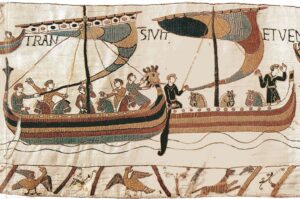
- Navigation and Sailing Expertise: It was not until the 9th century that the Vikings made serious inroads in discovering western lands which needed skill and courage. One of the defining traits of Vikings was their incredible shipbuilding and sailing skills. Imagine, Eric the Red loading his ships with men, women, children and cattle and leaving Greenland to navigate the ice-flows in search of new lands to settle where no one had been before. The Vikings built advanced longships that allowed them to travel vast distances across the seas and into inland river systems, raiding, trading often settling and assimilating in new lands. A successful Viking had to be an expert navigator, able to brave harsh weather and unknown waters.
- Trade and Diplomacy: While Vikings were often known for raiding, they were also traders. You knew when a longship was on a trading mission as it did not present a carved figurehead at the prow. Successful Vikings engaged in trade with other cultures all over the known world, exchanging goods like furs, weapons, and slaves. It was a brutal trade but a fruitful one that took them far beyond the Mediterranean in the west and to the land of the Slavs in the east. Diplomatic relationships with other tribes or kingdoms could also lead to valuable alliances, wealth, and peace when needed.
- Courage and Risk-taking: Vikings were famous for their fearlessness and their leaders exemplified this trait on the battlefield leading from the front and exhorting their men to follow the banner. “Look for me where the fighting is thickest, and I shall be there beneath my banner,” said the Swedish prince, Styrbjorn Storki as he plunged headlong into the enemy ranks and the ill-fated battle of Fyrisvellir. They had to be willing to take enormous risks, whether it was exploring uncharted territories, launching raids, or settling in new lands. A successful Viking was not afraid to face danger head-on.
- Honor and Reputation: “Cattle die, kinsmen die, the self must also die; but glory never dies, for he who wins it has earned it,” goes the old proverb. Reputation and honor were highly valued in Viking society and a warrior’s deeds might be recounted around the hearthfire for generations. Success wasn’t just about material wealth or power but also about maintaining one’s honour in battle and life. A Viking’s reputation always preceded them, and maintaining it was crucial for success, especially in the eyes of their peers.
- Adaptability and Innovation: The Vikings were not just warriors but also skilled craftsmen and inventors. Their ability to adapt, innovate, and create new technologies—in warfare, shipbuilding or just daily life—set them apart. This adaptability also applied to how they adjusted to new environments when they settled in new territories and assimilated.
These qualities combined to form the foundation of a successful Viking, whether on the battlefield, on the trade routes or simply in the pursuit of wealth and prestige.