William the Conqueror: Great General or Good Campaigner
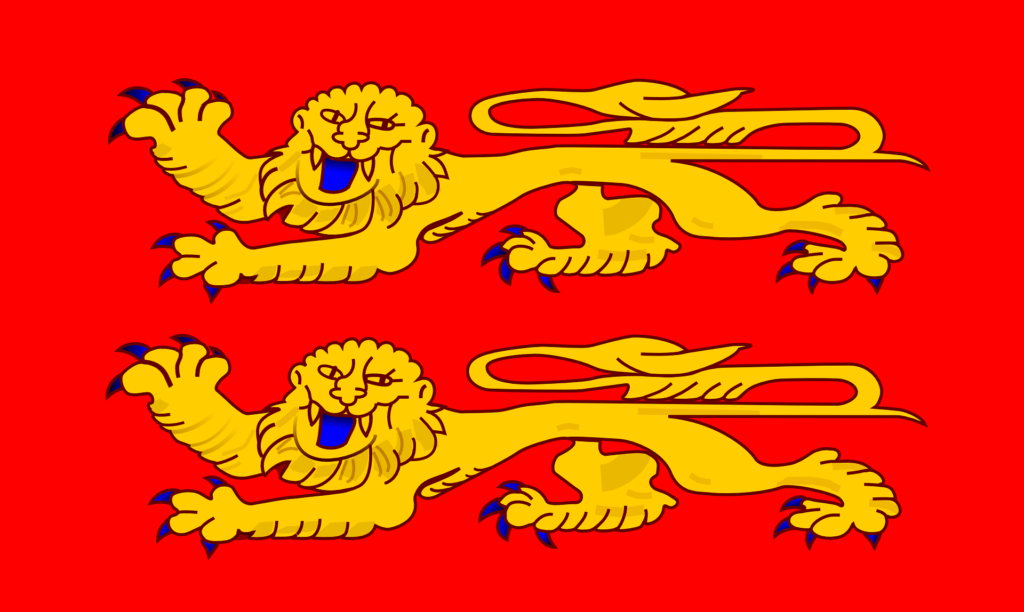
It is a much-mooted question as to whether or not William the Conqueror deserved to win the Battle of Hastings. It is highly subjective and depends heavily on perspective. Was he a saint or was he a villain? Whatever your point of view – pro-Saxon or pro-Norman – no one can disagree that he took a huge risk and if fortune favours the brave it paid off for the Duke in spades. But, when considering if he deserved the English crown, which he ultimately took by force, there are several things to consider
- The Norman Military Strategy: Duke William employed effective military tactics, including strategically placed cohorts of archers and feigned retreats to lure King Harold into a vulnerable position. He destroyed the land of Wessex, tempting the Saxons into defending it before they were ready and his cunning strategic planning and adaptability during the battle played a crucial role.
- Political Alignment: Long before the first Norman ships landed in England William had done the spadework of getting the Pope on his side. His courtship of the Holy See began with building multiple churches and abbeys to the glory of God, to demonstrate his piety, and ended with his troops marching to war beneath the Papal Banner. Indeed, King Harold’s stock had plummeted to the extent that he had been excommunicated by the Pope by the time the invasion started. The church’s favour enabled William to turn his land grab into a crusade. The Duke also promised great swathes of English land to his allies and Kings and Duke all over Europe took their share after the victory.
- Preparation: Duke William recovered from the early setbacks of the campaign notably the withdrawal of many of his barons from joining him. Staggeringly, the Normans forgot how to build ships which required a good deal of industrial enterprise. Through some well-conceived alliances, the Duke mustered a diverse army, largely outside the Duchy comprising Bretons, Flemish French and Burgundian troops. He was eventually very well-prepared, having spent years planning the invasion. This preparation even included bringing a prefabricated fortress from Normandy. On preparation alone, indications are that he deserved his victory through diligence and good planning.
- King Harold’s Major Challenge: The English King faced significant hurdles, including defeating 10,000 plus Vikings in the north of England just before the Normans landed in the south. Harald marched his exhausted troops back in a few days to face the new challenge from the Normans. This weakened state may have impacted the Saxon performance undoubtedly contributing to their downfall.
- Legitimacy: William claimed his right to the English throne based on a promise made to him by Edward the Confessor and his kinship with the deceased king. Indeed, Harald Godwinson, before taking the crown for himself, pledged loyalty to the Duke during his military service in the Duchy. William’s claims were backed up by the church and ruling classes of Europe whom he had lobbied tirelessly in the buildup. Whether this claim was legitimate is debatable and both sides told different stories but arguably Duke Wiliam had the strongest PR, adding another layer to discussions of “deserving.”
- Historical Impact: The victory had lasting consequences for England and over 90% of the ruling Earls were dispossessed after the victory at Hasting. With the Saxon leadership scattered to the four winds England would never be the same again. Ultimately this led to significant cultural and political changes and some arguement that the impact of William’s victory justifies its legitimacy.
Duke William benefitted from good planning, possibly, a lot of luck and definitely some great timing. If successful generals make their own luck when weighing up risk against the odds, then on balance we should assume that the Duke deserved the fruits of his victory. In summary, while William’s victory can be attributed to his strategic prowess and preparation, the context of the battle and the lead-up to it also play critical roles in determining whether he “deserved” to win, making it a nuanced topic